
How Posture Affects Breathing and Heart Health and What Honolulu Residents Can Do About It
What the link between spinal alignment and circulation means for your long-term health, and how to start improving it today
Most people connect posture with back pain. Fewer realize that how you hold your body also affects how well you breathe and, over time, how efficiently your heart and circulatory system function. For residents in Honolulu who spend long hours at a desk, stay active outdoors, or manage age-related changes in mobility, understanding this connection can open the door to better overall health.
At Island Family Chiropractic, we work with patients across all ages and activity levels to address the root causes of pain and reduced function, including the postural habits that quietly limit breathing and circulation every day.
The Connection Between Posture, Breathing, and Circulation
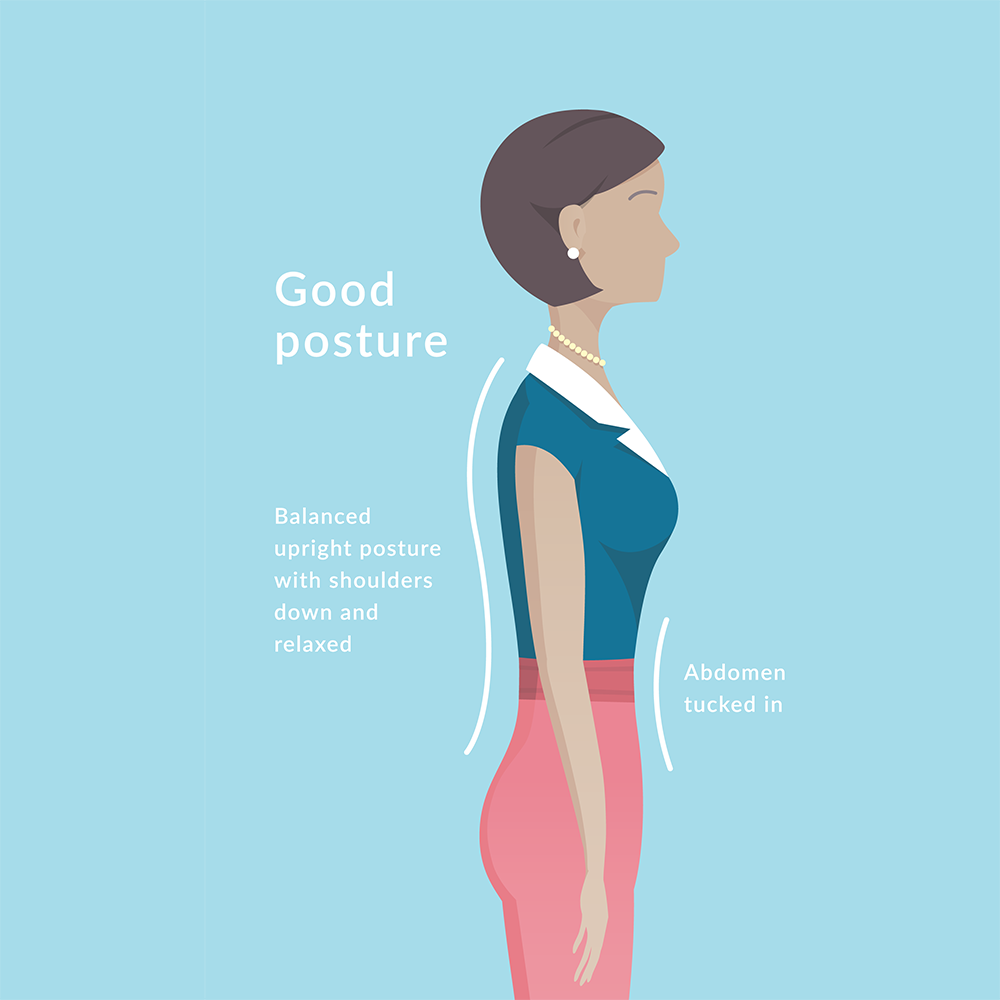
When the spine is properly aligned, the chest can fully expand with each breath. The lungs take in more air, oxygen delivery improves, and the cardiovascular system works more efficiently. Research supports the relationship between spinal alignment and improved respiratory and circulatory function.
When posture suffers, whether from prolonged sitting, repetitive movement patterns, or muscle imbalances, the chest compresses. Breathing becomes shallow. Over time, reduced oxygen intake can contribute to fatigue, increased muscle tension, and strain on the heart.
Common warning signs that posture may be affecting your breathing include persistent tightness in the chest or shoulders, a feeling of heaviness when taking a deep breath, and frequent shallow breathing during periods of stress or concentration.
Forward Head Posture and Its Effects on the Body
Forward head posture, where the head drifts in front of the shoulders, is increasingly common among people who work at computers, look down at phones frequently, or drive for long periods. For every inch the head moves forward, the effective load on the cervical spine increases significantly.
Beyond neck and upper back strain, forward head posture compresses the structures that support breathing. The chest closes, the diaphragm has less room to move, and respiratory capacity decreases.
A simple self-check: stand with your heels, back, and shoulders touching a wall. If your head does not naturally rest against the wall, forward head posture may contribute to your discomfort.
Chin tucks are a commonly recommended corrective exercise. To perform one, gently draw your chin straight back, not down, while keeping your eyes level. Holding for a few seconds and repeating 10 times can begin to retrain the deep cervical muscles responsible for proper head positioning.
Desk Posture Tips for Office Workers in Honolulu
Whether you work in downtown Honolulu, from home in Kailua or Pearl City, or in a hybrid environment, sedentary desk work creates predictable postural challenges. A few practical adjustments can reduce their impact.
Chair and lower-body positioning: Your feet should rest flat on the floor, with your knees at approximately 90 degrees. If your feet do not reach the floor comfortably, a footrest helps maintain proper pelvic tilt and lumbar support.
Monitor height: The top of your screen should be at or slightly below eye level. Looking down at a laptop or monitor for hours contributes directly to forward head posture and neck strain.
Movement breaks: Standing up and moving for 2 to 3 minutes every 30 minutes helps interrupt the postural fatigue that accumulates with prolonged sitting. Even a brief walk to a window or a short stretch in place makes a meaningful difference over the course of a workday.
Keyboard and elbow position: Elbows should rest at roughly a 90-degree angle when typing. If your keyboard sits too high or too low, shoulder and neck tension tend to follow.
At-Home Techniques to Improve Breathing and Ribcage Mobility
Improving breathing mechanics does not require special equipment. Two techniques are particularly effective for most people.
Diaphragmatic breathing: Also called belly breathing, this technique trains the diaphragm rather than the accessory muscles in the neck and shoulders to do the primary work of inhalation. Lie on your back with one hand on your chest and the other on your abdomen. Breathe in through your nose, allowing the hand on your abdomen to rise while the hand on your chest remains relatively still. Exhale slowly through your mouth. Practicing this for five minutes daily can reduce tension and measurably improve lung capacity over time.
Thoracic spine rotation: Restricted ribcage mobility limits how fully the lungs can expand. Seated thoracic rotations, sitting upright and slowly rotating your torso to each side while keeping your pelvis stable, help maintain the flexibility of the upper back and ribcage. Holding each rotation gently for a few seconds and repeating five to eight times per side is a simple addition to a morning or evening routine.
How Chiropractic Care Supports Posture and Breathing in Honolulu
Postural issues rarely resolve on their own when the underlying structural patterns remain unaddressed. Chiropractic care works to restore spinal alignment, reduce joint restriction, and support the neuromuscular patterns that maintain good posture under daily demands.
At Island Family Chiropractic, our chiropractors in Honolulu use both manual adjustment and instrument-assisted techniques depending on each patient's needs, health history, and comfort level. Restoring alignment in the thoracic spine, the mid-back region, most directly associated with rib movement and breathing mechanics, is a common focus for patients dealing with posture-related respiratory restriction.
Treatment plans are individualized. Whether a patient is managing chronic tension from desk work, recovering from an activity-related injury, or looking to establish a proactive wellness routine, care is tailored to their specific goals and physical presentation.
Our multiple Honolulu-area locations make consistent care accessible wherever on Oahu you live or work.
Frequently Asked Questions
Can poor posture really affect heart health? Poor posture can restrict breathing mechanics, which reduces the oxygen available to the cardiovascular system. While posture is one of many factors in heart health, improving spinal alignment supports more efficient breathing and circulation, both of which reduce the heart's workload over time.
What is the fastest way to improve posture? There is no single quick fix, but the most effective starting point for most people is increasing awareness of their current habits and making one or two ergonomic changes, such as adjusting monitor height or taking regular movement breaks while beginning exercises like chin tucks and diaphragmatic breathing. Chiropractic assessment can help identify specific structural issues that movement and ergonomics alone may not fully resolve.
How does chiropractic care help with posture? Chiropractic adjustments address spinal joint restrictions that contribute to poor alignment. When joints move freely, and the spine is properly aligned, it is easier for the muscles supporting upright posture to do their job effectively. Many patients notice improved ease of movement and reduced tension following treatment.
Is chiropractic care safe for improving breathing-related issues due to poor posture? For most people, yes. Chiropractic care focused on thoracic and cervical alignment is generally well tolerated and can meaningfully improve the structural conditions that restrict breathing. A thorough intake and evaluation helps ensure the approach is appropriate for each individual's health status.
How often should I see a chiropractor for posture-related concerns? Treatment frequency varies based on the severity of postural patterns, overall health, and how well the body responds to care. Many patients begin with more frequent visits to make initial corrections, then transition to periodic maintenance visits. Your chiropractor will discuss a recommended schedule after your initial assessment.
Does Island Family Chiropractic serve families with children? Yes. We provide care for patients across all ages, from children to seniors. Postural patterns often begin developing in childhood, and early attention to alignment can support healthy musculoskeletal development.
Island Family Chiropractic serves patients throughout the greater Honolulu area with multiple convenient locations. To schedule an assessment or learn more about how chiropractic care can support your posture and overall wellness, contact our team today.