Play Hard, Hurt Less - Preventing Sports Injuries in Hawaii's Outdoors
Simple steps and personalized chiropractic care can help Hawaii's most active residents stay on the water, on the trail and out of pain.
Hawaii's outdoors have a way of pulling people in. Whether you're catching waves at dawn, climbing a ridge trail on the weekend or paddleboarding across a glassy bay, the islands make it easy, and tempting, to push your body. But the same activities that make life here so rewarding can also lead to nagging injuries that sideline you for days or weeks at a time.
The good news is that many of those injuries are preventable. At Island Family Chiropractic, our Honolulu team works with active residents every day, using personalized care and movement assessments to help them do more of what they love with less pain.
Protecting Your Outdoor Adventures
Hawaii's landscapes offer some of the most varied and demanding terrain in the country. Understanding the injury risks that come with it is the first step toward staying healthy and active year-round.
Common Injuries in Hawaiian Sports
Surfing, hiking, and paddleboarding each place distinct demands on the body, and injuries often develop gradually before they become serious.
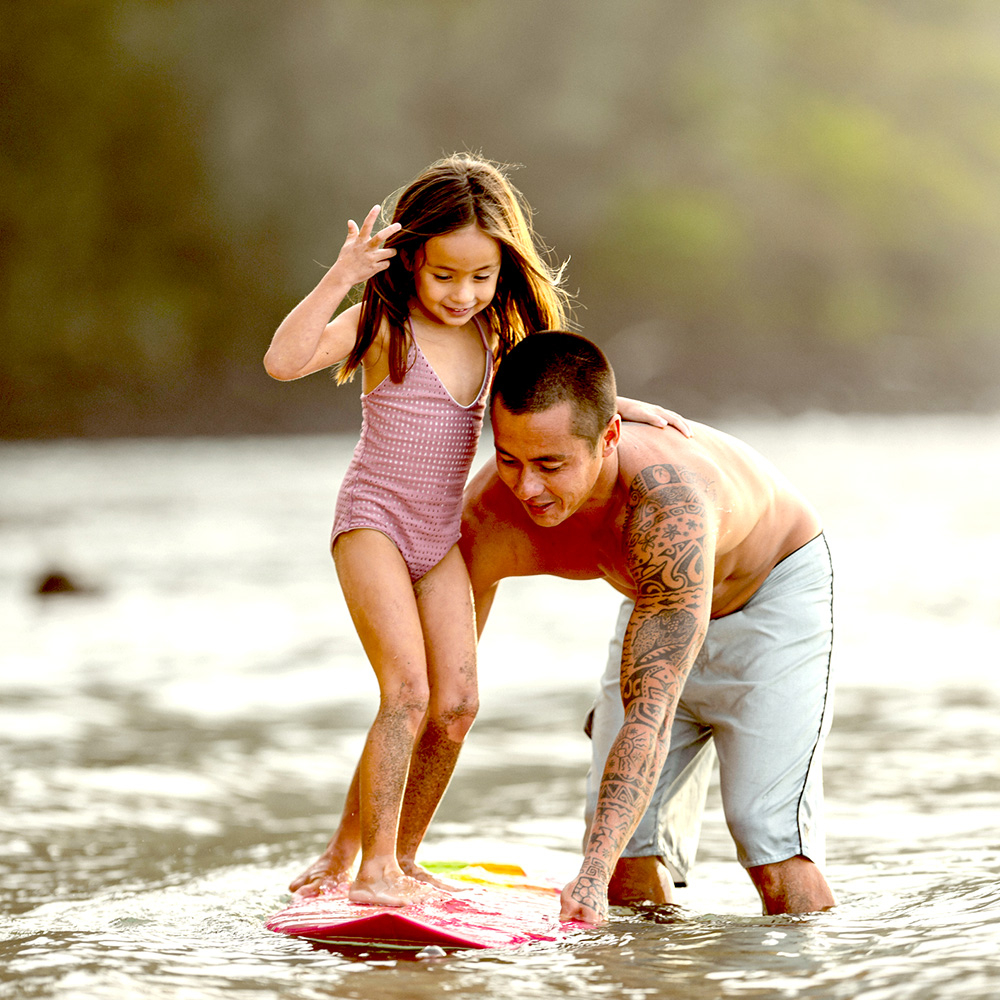
Surfer's shoulder is among the most common complaints for regular wave-catchers, driven largely by the repetitive paddling motion required to get into position. Hikers navigating Hawaii's steep and uneven trails frequently develop knee pain, particularly when descending. Paddleboarders often experience lower back and shoulder tension, especially those who rely on arm strength rather than engaging their core.
Many people assume that soreness and minor pain simply come with the territory. In many cases, however, those symptoms point to underlying movement patterns that, left unaddressed, can lead to more significant injuries over time.
Key Prevention Strategies for Athletes
A consistent warm-up routine is one of the simplest and most effective tools for reducing injury risk. Before heading out, spend time on dynamic stretches that target the muscle groups most relevant to your activity. Surfers benefit from shoulder and thoracic spine mobility work. Hikers should focus on hip flexors, glutes and the muscles around the knee. Paddleboarders can prepare their back and shoulders with rotational stretches and light core activation.
Building strength in the right areas also matters. A stronger core provides stability for nearly every outdoor activity, while sport-specific strength work reduces the load placed on joints and connective tissue. And while it can be tempting to push through fatigue, incorporating regular rest days allows the body to repair and adapt — which ultimately supports better long-term performance.
The Importance of Proper Gear and Technique
Gear that fits and functions well is a worthwhile investment. For hikers, supportive footwear with appropriate traction can make a meaningful difference on Hawaii's varied terrain. Surfers and paddleboarders should use equipment sized to their body and skill level, since an ill-fitting board can create compensatory movements that strain the shoulders and back.
Technique is equally important, and often overlooked. Learning efficient paddling form reduces the cumulative stress on the shoulder joint over a long session. On the trail, thoughtful foot placement and the use of trekking poles can protect the knees, particularly on descents. Paddleboarders who engage their core and hinge properly from the hips place far less strain on the lumbar spine than those who rely primarily on their arms and back.
Chiropractic Care for Active Lifestyles
Even with solid preparation, injuries happen. Chiropractic care can support both recovery and ongoing prevention, helping active individuals stay at their best.
The Value of Movement Assessments
A movement assessment is a systematic way of identifying how the body moves, and where it may be compensating or at risk. For an active person, this kind of evaluation can surface issues that might not yet be causing pain but are quietly contributing to wear on joints and soft tissue.
For example, a movement assessment might reveal that knee discomfort during hiking is connected to hip mobility limitations rather than the knee itself. It might show that a paddleboarder's shoulder tension stems from poor thoracic rotation. With that information, care becomes far more targeted and effective, addressing the root cause rather than just the symptom.
Personalized Treatment Plans
Because every person's body and activity level is different, a one-size-fits-all approach to care rarely produces the best outcomes. At Island Family Chiropractic, treatment plans are built around each patient's specific needs, activity goals and lifestyle.
Someone dealing with lower back pain from paddleboarding may benefit from a combination of spinal adjustments, targeted stretching and guidance on movement mechanics. Those plans are also designed to evolve, as a patient improves, their care adapts to reflect that progress. Regular check-ins help ensure the plan stays aligned with both current symptoms and longer-term goals.
A Whole-Person Approach to Pain Management
Addressing pain effectively means looking beyond the immediate complaint. A more comprehensive approach considers how all aspects of a person's lifestyle, activity levels, movement habits, recovery practices and overall health, contribute to their condition.
For active residents in Hawaii, this might mean integrating chiropractic adjustments with corrective exercises, soft tissue work and practical guidance on activity modification during recovery. This approach tends to not only relieve pain more durably but also support overall well-being in ways that purely symptomatic treatment doesn't.
Community and Wellness Support
Finding health care that genuinely fits your lifestyle matters, especially in a place like Hawaii, where staying active is part of the culture.
Choosing the Right Chiropractic Provider
A good chiropractic provider will take time to understand how you move, what you enjoy doing and what your goals are, not just where it hurts. Look for a practice that offers individualized care rather than a standardized protocol, and one where you feel heard and supported throughout the process. That kind of partnership tends to produce better outcomes and makes it easier to stay consistent with care.
What Honolulu Patients Are Saying
Many Honolulu residents have found meaningful relief through chiropractic care at Island Family Chiropractic. One local surfer, sidelined by persistent shoulder pain, was able to return to the water after a course of targeted adjustments and a structured home exercise program. A regular hiker dealing with chronic knee discomfort found that addressing underlying hip mobility issues made trail days comfortable again.
These kinds of results aren't unusual. With the right care and a clear plan, many people are able to get back to the activities they love and stay there.
Staying Active With Island Family Chiropractic
Island Family Chiropractic has multiple locations across the Honolulu area, making it easier to fit care into a busy schedule. Whether you're managing a nagging surf injury, recovering from a tough trail run or simply trying to stay ahead of potential problems, the team is here to help.
With a focus on personalized, whole-person care, Island Family Chiropractic is committed to helping Hawaii's active community enjoy the outdoors, comfortably, consistently and with confidence.